The Echo of Cups: How Sound Shapes the Café Experience

Sound Sets the First Impression

The moment someone walks into a café, sound greets them. The clink of cups, hiss of steam, and soft voices blend into a tone that either invites or overwhelms. This audio atmosphere shapes the first impression before customers even read the menu.

Volume Influences How Long Guests Stay

Noise level affects how comfortable people feel. A moderate volume encourages guests to linger, talk, and work. Loud spaces shorten visits, while overly quiet ones may feel tense. Sound design must balance these elements to support both energy and calm.

Material Choices Control Acoustics

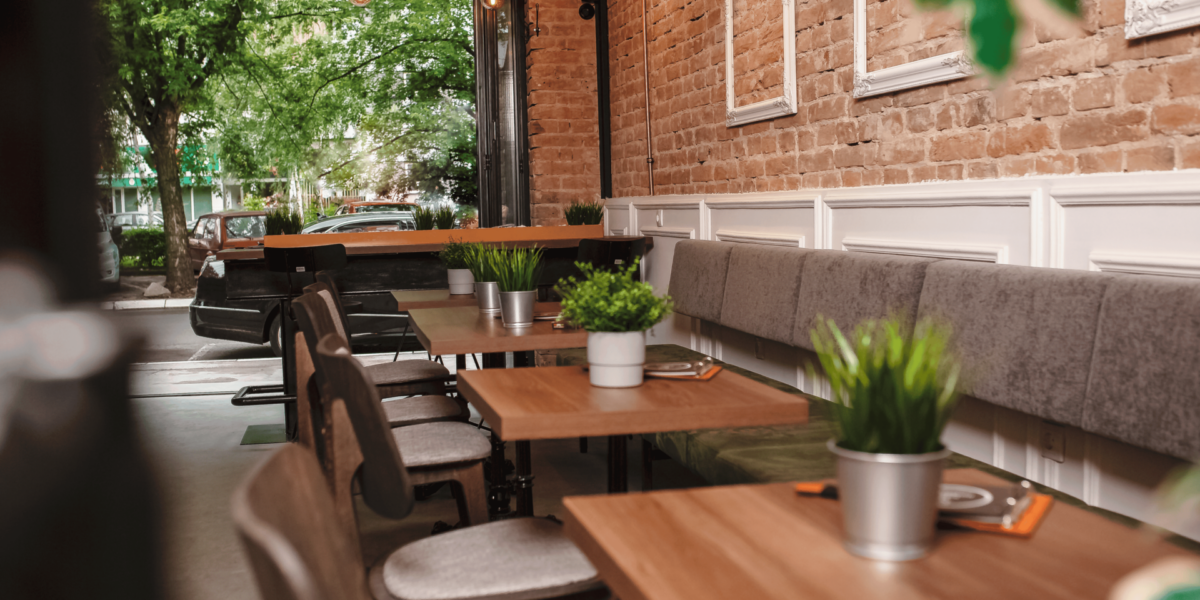
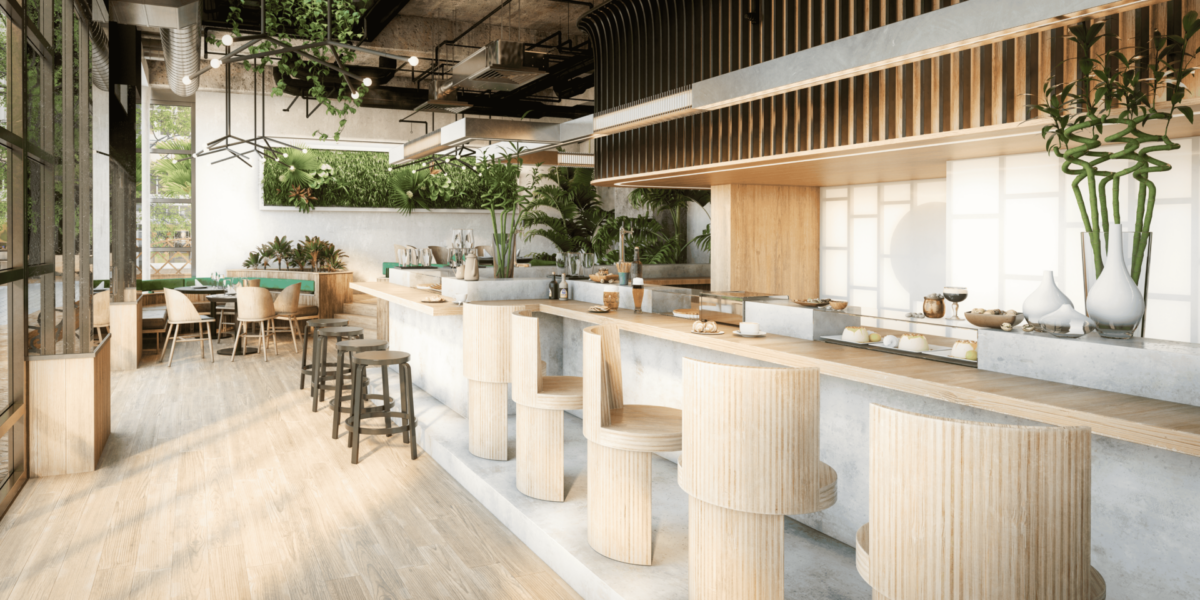
Wood absorbs differently than tile. Brick bounces sound, while fabric softens it. Designers use these materials to guide how sound travels. A café with high ceilings and hard surfaces sounds different from one with bookshelves and curtains. These choices determine the space’s overall mood.

Furniture Arrangement Affects Noise Flow

Tables grouped tightly increase shared sound. Spread-out seating zones reduce volume overlap. Strategic placement of counters, booths, and benches controls how conversations carry. Smart layout reduces echo and gives guests control over their audio space.

Ambient Music Adds Subtle Direction

A curated playlist does more than fill silence. Music style, tempo, and volume influence pace and perception. Upbeat rhythms support movement during busy hours, while softer tracks slow things down. Music selection helps set the café’s identity.

Barista Movements Shape the Soundtrack

Every action behind the counter becomes part of the daily rhythm. Milk frothing, grinder bursts, and cash drawer clicks layer into the café’s signature soundscape. These elements should feel natural and spaced, not rushed or sharp. Repetition adds comfort through familiarity.

Shared Sound Encourages Social Flow

People often match their voice to the room’s tone. In a relaxed café, guests speak more softly. In livelier spaces, volume rises. A well-managed audio environment supports conversations that flow without competition.

Acoustic Zones Help Define Purpose

Dividing a café into sections with different sound profiles can serve multiple needs. A quiet corner might support reading or work, while the bar area carries more interaction. These zones help visitors choose their experience without strict signage.

Weather and Traffic Add External Influence

Sounds from outside—passing cars, rain on windows, footsteps at the door—blend into the café’s internal sound. Designers can work with or buffer these inputs using entryways, window placement, and insulation. The café can respond to its location rather than fight it.

Lasting Impressions Begin and End in Sound

As guests leave, the echo of cups, voices, and music follows them. These auditory cues become part of memory. A thoughtful soundscape builds positive associations, making the café a place worth returning to—not just for the coffee, but for how it feels to be there.

Where the Light Falls: Designing Cafés with Mood in Mind

Lighting Shapes the Emotional Tone of a Café

Light influences how people feel the moment they step inside a café. Warm tones invite longer stays, while cool hues support alertness. The quality of light sets expectations for behavior and comfort. A well-lit space helps visitors feel at ease, while harsh or dim lighting can interrupt that sense of calm.

Natural Light Builds Connection to Time and Place

Sunlight through windows tracks the time of day and connects the space to its surroundings. Morning rays highlight surfaces differently than late-afternoon shadows. These changes in light help create a rhythm inside the café. Customers feel in tune with the day, which supports a sense of presence and awareness.

Shadow Adds Depth and Visual Interest

Designing with light also means working with shadow. The contrast between light and dark areas gives the room texture. Shadows under tables, behind chairs, or on exposed brick walls add layers that shape how the space feels. These subtleties guide attention and create areas of focus or rest.

Task Lighting Enhances Function Without Overpowering

Individual light sources at tables or counters give customers control over their experience. Lamps with focused beams support reading, sketching, or working without affecting others. Task lighting allows privacy in shared settings and makes the space feel intentional.

Reflections Influence Perception of Space

Glass, metal, and tile surfaces bounce light across the café. These reflections soften corners and brighten darker zones. They help smaller cafés feel larger and create movement in the room as light shifts with passing time or traffic.

Layered Lighting Encourages Different Activities

Cafés benefit from multiple lighting sources working together. Overhead fixtures, wall sconces, and tabletop lamps allow the space to serve different purposes throughout the day. A morning rush feels distinct from a quiet evening simply through the way light fills the room.

Window Placement Determines Visual Flow

The layout of windows affects how light travels. Tall windows invite full daylight, while narrow panes offer glimpses that spark curiosity. The size and placement of openings shape how customers interact with the view and the space. Good design uses light as part of the floor plan, not just a backdrop.

Color Temperature Affects Mood and Energy

Lighting that leans warm encourages comfort. Cooler light supports productivity and alertness. A café can use this contrast to define zones: warm light over lounge areas, cooler tones at shared work tables. These shifts help the brain understand how to behave in each part of the room.

Dimmer Controls Allow Light to Match the Hour

As natural light fades, artificial sources should adjust. Dimmer systems give staff the ability to shape mood throughout the day. Lower light in the evening signals rest and quiet, while brighter tones during peak hours keep energy steady. These shifts help the café match the pace of its guests.

Mood Becomes Memory Through Light Design

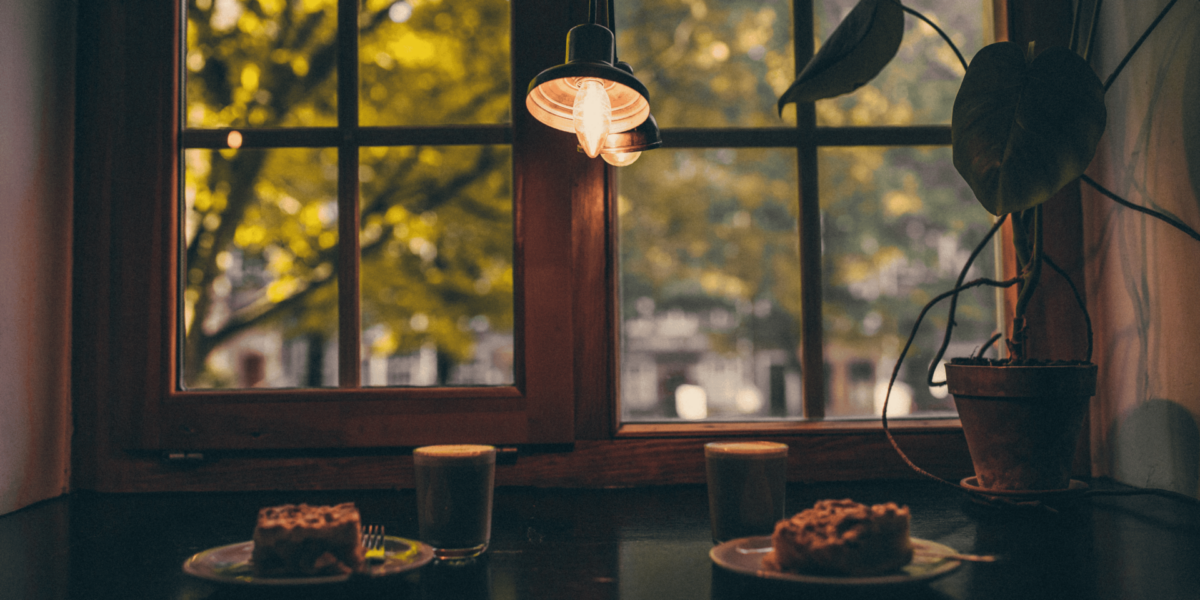
The way a café uses light becomes part of how people remember it. A corner lit by sunset or a soft bulb over a favorite chair anchors emotional connection. Through careful light design, cafés create more than ambiance—they build experiences that last beyond the visit.

Quiet Tables, Loud Ideas: Why the Right Café Can Change Your Mind

Café Atmosphere Shapes Thought Patterns

The mood of a café directly influences how people think. Soft lighting, steady background sound, and moderate foot traffic create a space that supports focused thinking. A balanced environment makes it easier to shift into a reflective or creative state without distraction.

Seating Placement Affects Mental Engagement

Where someone chooses to sit changes how they interact with their thoughts. A seat near the window may invite observation. A corner table offers privacy and calm. This physical separation from busy areas allows for deeper concentration and encourages clear thinking.

Ambient Sound Supports Cognitive Flow

The low hum of conversation, coffee machines, and footsteps creates a consistent background that helps filter internal noise. Unlike silence, which can feel isolating, ambient café noise grounds the mind. It supports cognitive flow by offering a subtle rhythm that keeps attention anchored.

Design Details Trigger Mental Shifts

Materials like wood, brick, and stone influence how the space feels. These textures can inspire new ideas by creating a physical connection to the environment. The arrangement of books, artwork, or handwritten menus also gives the eye points of interest, which help trigger thought without distraction.

Familiarity Builds Mental Comfort Zones

Returning to the same café over time creates a personal link between the space and the creative mind. This sense of place supports mental comfort and routine. As the brain associates the location with productive thought, the environment becomes a natural trigger for idea development.

Isolation Without Disconnection Fuels Insight

A good café provides solitude without making someone feel alone. Surrounded by strangers and activity, thinkers can turn inward without losing connection to the world. This balance helps ideas form in context, rather than in isolation.

Movement Within the Space Adds Momentum

Short walks to order, refill, or adjust seating offer natural breaks in thinking. These small movements keep the body engaged, which supports mental clarity. The pause between writing and sipping allows space for insight to surface without interrupting focus.

Time Feels Structured but Flexible

Cafés operate on a gentle schedule. People come and go, lights shift, and staff move through routines. This structure helps frame creative work without imposing a strict deadline. The rhythm of the café encourages progress through time awareness, not time pressure.

The Presence of Others Encourages Self-Reflection

Seeing others work, read, or rest provides a quiet form of motivation. Without direct interaction, their presence supports a sense of shared purpose. This unspoken accountability helps people stay present with their own thoughts.

The Right Setting Makes Ideas Tangible

In the right café, ideas move from concept to form. The setting encourages clarity by grounding thoughts in real space and time. Quiet tables allow loud ideas to take shape, offering the right conditions for the mind to change, create, and continue.

Between Brews and Books: How Cafés Shape Creative Rituals

Cafés Provide Structure Through Familiar Routine

Writers, artists, and thinkers often return to the same table each day. The hum of machines, clink of cups, and low voices offer a background rhythm that guides focus. This environment builds a routine that helps the mind settle into work, making it easier to begin and maintain creative momentum.

Ambient Noise Supports Concentrated Thought

The consistent sound level in a café strikes a balance between silence and distraction. This hum creates a steady buffer against more abrupt noises, allowing people to stay in their own thoughts. The background activity reduces pressure without overwhelming the senses.

Café Seating Encourages Intentional Presence

Chairs near windows, tables against brick, or shared benches all shape how long a person stays. A deep chair may invite reflection; a stool at a counter may suggest brief concentration. These design elements influence posture and pace, supporting different stages of the creative process.

Coffee Breaks Divide Mental Chapters

The act of ordering or refilling a drink marks a pause in thought. These moments give the mind a break without losing the thread of an idea. Instead of stepping away from the work entirely, a refill provides movement and reset, creating space for clarity to return.

Visual Texture Stimulates Quiet Inspiration

The layers of a café—sunlight through steam, books on a shelf, handwriting on chalkboards—offer gentle cues for the imagination. Without demanding attention, these textures give the eye places to rest. This visual variety supports subtle shifts in focus and helps ideas evolve naturally.

Shared Space Encourages Quiet Accountability

Even without speaking, being around others who are reading, typing, or sketching builds a sense of collective purpose. The presence of other focused people adds motivation. This accountability helps artists and writers maintain steady progress without external pressure.

Limited Distractions Reinforce Boundaries

In a café, tools are limited to what fits on the table. This constraint helps reduce the urge to multitask. Without access to household chores or office interruptions, the workspace becomes clearly defined. Boundaries help shape time into creative sessions with clearer goals.

Cafés Offer Time Without Deadlines

Most cafés allow guests to stay without pressure, but the subtle signals of closing time or a shift change create natural limits. These soft cues encourage creators to use time intentionally. A person might aim to finish a sketch before the crowd shifts or draft a page before the light changes.

Creative Energy Builds from Repetition

Returning to the same space helps ideas build over time. One day’s notebook entry might continue the next day’s sketch. The environment remembers through familiarity, giving work a quiet continuity. Cafés help stitch one creative session to another.

Rituals Built in Cafés Become Personal Landmarks

Over time, these visits form a rhythm. The walk to the café, the preferred seat, the first sip—each becomes a marker that the mind associates with focus. These rituals don’t just support creative work; they become part of how the work itself comes to life.

When Walls Talk: Stories Baked Into the Brick of Neighborhood Coffeehouses

Architecture Shapes the Café’s Voice

The walls of a neighborhood coffeehouse do more than hold the ceiling—they speak. The way brick, wood, and tile come together reveals the building’s age, history, and character. Customers walking in often feel this before they notice the menu. The material choices echo the time and place the café calls home.

Original Brickwork Holds Memory in Its Texture

Exposed brick carries marks of past use. Faded mortar lines and chipped corners suggest decades of daily life. These imperfections create warmth and depth, offering clues to how the space evolved. Each brick tells part of a larger story—the weather it’s seen, the music that once played, the voices it absorbed.

Furniture Placement Adds to the Storyline

The layout of tables, chairs, and counters influences how stories continue to unfold. Where people sit and how they move reflects a rhythm built over years. Returning customers tend to claim familiar corners, while new guests follow visual cues shaped by furniture placement and wall spacing.

Local Art Anchors the Space in Its Community

Artwork chosen by the café often reflects neighborhood identity. These pieces don’t just decorate—they document. Murals, sketches, or framed prints capture the faces, landmarks, and daily rituals of the area. They extend the wall’s voice by including contemporary expressions within the historic frame.

Sound Behaves Differently with Age and Material

Brick walls absorb and bounce sound in ways that shape how a coffeehouse feels. Conversations sound rounder, music settles deeper into the space, and silence stretches longer. These qualities add a distinct tone to every visit, influenced by how time and use have shaped the acoustics.

Light Moves Along the Surface Throughout the Day

Natural light shifts across the café, creating quiet drama as it touches the walls. In the morning, it illuminates corners softly. By afternoon, sharp angles of sunlight trace edges and reflect off ceramic mugs. This light movement adds mood, turning the café into a living space that changes with the hour.

Cracks and Repairs Mark the Passage of Time

Over the years, walls shift. Hairline cracks appear, filled later with fresh mortar. Paint chips where hands frequently pass. These repairs tell a story of resilience, not decay. They reflect attention to detail and respect for the original structure, showing that the space is cared for and still in use.

Walls Absorb Stories Without Saying a Word

Every meeting, quiet pause, or shared laugh leaves something behind. While those moments vanish from memory, their echo remains in the feel of the room. The walls hold on to this. A coffeehouse may not display photos of its regulars, but the building itself remembers them.

The Building Becomes Part of the Brand

Over time, the structure’s features become part of the café’s identity. Customers describe it as “the one with the brick arch” or “the spot with the sunlit corner table.” These physical traits aren’t just decoration—they guide memory and recognition, making the space easier to return to and recommend.

Brick by Brick, the Café Shares Its History

A neighborhood coffeehouse doesn’t need a plaque to feel historic. Its story lives in the materials. When customers sit down, they join that ongoing narrative. The walls don’t speak in words, but they say enough. They invite people to pause, to listen, and to become part of what comes next.

The Scent of Roast and Rain: A Day in the Life of a Café Window

Morning Begins with a Breath of Coffee and Cloud

As the day starts, the window fogs with condensation from brewing pots and early rain. Passersby glance in as they rush past, pulled by the glow of overhead bulbs and the warmth trapped inside. The scent of fresh roast mixes with the damp air, creating a signal that the café has opened for the day.

Glass Reflects the First Faces of the Day

The glass pane mirrors morning routines. Regulars approach with practiced steps, and their reflections blend with steam swirling inside. Some pause to check the sky or adjust their scarf. From inside, the staff observes without interrupting, already preparing the space for a steady stream of visitors.

Raindrops Sketch Movement on the Surface

As the morning unfolds, rain picks up. Drops streak across the window, forming slow trails that catch passing light. These streaks distort the view outside, softening street edges. People walking by appear blurred, their forms shifting like moving paintings. The weather outside creates a quiet contrast to the clatter of cups within.

Light Changes the Shape of the Space

By midday, the sky begins to lift. Sunlight breaks through, changing the reflection on the glass. Shadows from tables and chairs stretch across the tiled floor. This light invites longer stays. Guests linger by the window, drawn to the shifting warmth as they sip and speak in low tones.

The Window Frames Every Conversation

At every hour, the window becomes the backdrop to conversation. Friends reunite, workers pause, and strangers sit near one another in silence. The glass does not isolate—it connects the inside to the street. People on both sides feel the presence of the other, even without direct interaction.

Steam Returns with the Afternoon Rush

As the afternoon crowd arrives, espresso machines hum and release bursts of steam. The window fogs again in spots, especially near the counter. Someone leans back in a chair and taps the pane with a knuckle while waiting. These patterns—marks, smudges, and silhouettes—become part of the window’s daily story.

Exterior Noise Blends with Interior Stillness

Traffic grows outside, horns and footsteps overlapping. Inside, the café remains calm. This tension between city pace and café stillness plays out against the window. A siren passes in the distance while a cup lands softly on a saucer. The window catches both rhythms without letting one overpower the other.

Reflections Reveal the Day’s End

As evening nears, the glass darkens. It reflects more than it shows. Inside lights bounce off the pane, casting layered images—baristas moving, hands lifting mugs, shelves lined with pastry. Outside, figures become shadows. Rain returns, softer this time, dotting the window with quiet reminders that the day is closing.

The View Holds What the City Leaves Behind

The window holds evidence of every moment. Fingerprints. Water spots. A smear of foam from someone leaning too close. These marks stay until the night crew wipes them clean. What remains isn’t visible—it’s the rhythm of traffic, the voices that once filled the air, and the scent of roast still lingering as the door locks.

Each Pane Captures a Living Portrait of the City

Throughout the day, the café window is more than glass. It’s a witness. It shows how rain changes the street and how light changes the mood. It captures how a city slows just long enough to warm up inside before stepping back into the world. Through scent, sound, and shadow, each day paints a new reflection on its surface.

Steam and Shadows: What Morning Coffee Reveals About a City

The First Brew Reflects the City’s Rhythm

As the city wakes, steam rises from café counters and corner windows. The pace of morning coffee service mirrors how quickly or slowly the streets begin to stir. A fast line at sunrise tells one story; a quiet, deliberate pour tells another. How coffee flows in the early hours shows the rhythm of the day ahead.

Neighborhood Cafés Anchor Daily Movement

Local cafés shape the start of each morning by serving as consistent meeting points. Whether on a residential street or near a transit line, these spaces influence pedestrian routes. People adjust their routines around a trusted cup, choosing paths based on familiarity and timing.

Barista Interactions Reflect Urban Attitudes

The tone of morning exchanges—brief nods, warm greetings, or total silence—offers insight into the city’s social energy. In some places, baristas memorize names and orders. In others, speed and efficiency take priority. These moments at the counter show how people connect—or choose not to—before the city fully wakes.

Espresso Machines Echo the City’s Soundscape

Steam bursts, grinders hum, and porcelain clinks. These sounds, layered with passing traffic and footsteps, create a distinct audio backdrop. The type and tempo of these sounds match the city’s atmosphere. In quieter districts, the café soundscape softens. In dense zones, it blends into the larger urban noise.

Morning Light Shapes the Café Experience

As sunlight filters through windows and hits polished surfaces, it defines how a space feels. Some cafés fill with golden warmth, while others remain shadowed and still. The way light moves across tables and walls affects how long people stay and how they begin their morning.

Café Interiors Speak Through Design Choices

Minimal counters, mismatched furniture, or precise layouts all communicate local style and function. These choices tell visitors what to expect from both the coffee and the culture. A cozy interior invites slow conversation; a sleek space encourages quick exits. Each element plays into how the city views comfort and pace.

Cup Styles and Serving Choices Reflect Tradition

Mugs, paper cups, and glass vessels say more than just preference. They reflect how the city handles time, waste, and ritual. A heavy ceramic mug may signal pause and presence. A branded to-go cup often means motion. These choices frame how coffee integrates with the city’s movement.

The Flow of Foot Traffic Mirrors Urban Density

Lines that stretch out the door or rotate steadily hint at how population density impacts routine. Crowded counters suggest high demand in compact zones. Steady, spaced traffic often points to neighborhoods with room to breathe. Foot traffic tells part of the story coffee drinkers live each morning.

Roast Selection Reveals Local Tastes

A café’s preferred roast profile—light, dark, or somewhere between—reflects the surrounding palette. Cities that favor bold, dark roasts might lean toward strong, fast experiences. Those with lighter blends may prioritize subtlety and slower sips. The roast serves as a clue to local preferences in flavor and pace.

Morning Rituals Mark the City’s Identity

Each city creates its own set of habits around coffee. Some rush. Others linger. These habits build an identity that newcomers and locals recognize through scent, sound, and style. Morning coffee becomes more than a drink—it becomes part of how a city shows itself to the world, one quiet sip at a time.

The Architecture of Pause: Designing for Moments of Stillness

Understanding the Need for Stillness in Everyday Spaces

Modern life moves fast, and most environments reflect that urgency. Designing for stillness requires a different mindset. It means creating spaces that support quiet, not distraction.

Imagine a person entering a building after a long day. They don’t need more noise, light, or pressure. They need space to breathe. The design should meet them with calm—a hallway without clutter, soft light at eye level, and sound that doesn’t echo. This is the architecture of pause. It’s not about emptiness, but about presence.

Designing Spaces That Slow the Pace

Effective spatial design controls speed. Layouts influence how people move. Narrow paths, harsh lighting, and background noise increase tension. Wider walkways, soft transitions, and natural materials ease the body and slow the mind.

In a calm waiting area, the flooring absorbs sound. Chairs offer physical comfort without forcing conversation. The walls curve slightly, avoiding sharp angles. These details change behavior. People sit longer. Their shoulders relax. They notice time passing differently. The design slows them down, without asking them to stop.

Lighting That Supports Mental Quiet

Lighting sets the emotional tone of a room. Overhead fluorescents create pressure. Diffused, layered lighting promotes focus and calm. It doesn’t compete with attention—it supports it.

Picture a reading room with adjustable lamps near each seat. The general lighting stays low, but task lights allow control. The room doesn’t overwhelm. It gives space for the eyes to rest. This encourages deeper concentration, not because the room demands silence, but because the light allows it.

Material Choice That Grounds the Senses

Materials affect more than style—they affect the nervous system. Cold, hard surfaces create distance. Warm, textured materials like wood, linen, or clay encourage connection. They ground people in the present.

A space meant for pause might use untreated wood beams and thick woven cushions. The air smells like the materials, not artificial scent. The room doesn’t shine—it absorbs light and sound. When people walk in, they feel anchored. They stop checking their phone. They take slower breaths. That’s the result of material awareness.

Layouts That Prioritize Privacy and Focus

Open-concept design has limits. For moments of stillness, people need edges, walls, and defined zones. Layouts should guide movement gently, offering places to stop without pressure.

In a wellness center, one corridor leads to a small alcove with a single bench. No sign points to it. It’s there for those who need it. This type of layout respects quiet choices. It doesn’t force use but makes space for it. People return to those corners because they feel seen—even when alone.

Creating Auditory Relief with Sound Design

Noise shapes how people interact with a space. Designing for stillness means managing sound. That could mean insulation, soft flooring, or built-in white noise. Silence itself becomes part of the design.

Inside a meditation room, there’s no hum of machines. Walls dampen outside sound. A water feature creates subtle motion without breaking quiet. The space doesn’t just look calm—it sounds calm. In this environment, people don’t whisper out of fear. They speak softly because the room invites it.

Integrating Natural Elements That Ease the Mind

Nature doesn’t rush. Bringing natural elements into design slows people down. Plants, sunlight, and airflow can reset attention and reduce mental clutter.

Picture a quiet corridor with a skylight. Ferns sit in the corners, and the air feels fresh. Even without outdoor access, the presence of natural elements changes the way people interact with the space. They don’t hurry through it. They pause—sometimes without realizing why.

Furniture That Encourages Pause Without Distraction

Furniture should support stillness without pulling focus. That means fewer features, no screens, and comfortable shapes that don’t feel rigid. The goal is not entertainment but restoration.

In a reflection room, the chairs don’t recline or rock. They cradle the body without asking it to do anything. The table has no magazines. The space communicates clearly: rest is enough here. This helps people reset, think, or simply sit. That’s what the room is built to hold.

Wayfinding That Reduces Cognitive Load

Unclear signage, cluttered layouts, and harsh visual contrast all force the brain to work harder. When designing for pause, simplicity becomes essential. People should navigate the space without thinking about it.

In a public library, signs use one font, in one color, placed at consistent eye level. The walls aren’t covered in visual noise. Visitors move calmly from one area to another. This reduces mental strain and supports stillness. The environment clears the path for focus.

Designing for Repeat Stillness

Stillness should be accessible, not rare. Spaces built for pause need to support that purpose every day, not just in ideal conditions. That means maintenance, lighting control, and layout that holds its purpose over time.

A university installs silent rooms for students. The furniture stays in place. The lighting doesn’t change. The soundproofing holds even during busy hours. Because the environment stays consistent, students rely on it. They begin to associate the space with stillness, and the habit grows stronger.

Architecture That Honors the Mind

The architecture of pause isn’t a trend. It’s a response to noise, speed, and overload. It prioritizes people’s internal state over productivity. It builds quiet on purpose.

Designers who focus on stillness shape spaces that respect the nervous system. They don’t just decorate—they guide how people breathe, think, and move. These choices matter every day, in every space. Stillness isn’t empty. It’s full of attention, presence, and clarity. When buildings make room for that, people change how they live in them.

Why Every Café Should Feel Like a Well-Worn Novel

Designing a Café That Tells a Story

A well-designed café does more than serve drinks—it tells a story. Just like a worn novel, a café should reveal its character with every corner, every scent, every sound. The goal isn’t to impress on first glance but to invite people into a world they want to return to.

Imagine walking into a space that feels lived-in yet intentional. The chairs don’t match perfectly. The lights cast a soft, golden hue. You don’t feel like a customer. You feel like you’re part of something that’s been growing page by page. This story-driven approach anchors the atmosphere and creates lasting connections.

The Power of Familiar Details

People return to places that feel consistent, places where small details stay the same. Worn books keep their charm through familiar touches—the smudges, the creases, the pages that fall open to the best part. A café should aim for that same warmth and familiarity.

In a real-world café, a barista greets the same morning customers by name. The wood on the counter is scratched but clean. The playlist is never trendy but always steady. These choices aren’t random. They form the backbone of place memory—a sensory pattern that signals safety and belonging.

Creating Layers of Atmosphere

Atmosphere builds through layers. Texture, color, light, sound, and scent all work together. In a well-worn novel, readers sink into a world through detailed scenes. A café does the same with physical elements that speak softly but carry weight.

Picture a space where the floor creaks just a bit. The walls show art that hasn’t been rotated in years, but still tells the story of the neighborhood. The lighting doesn’t flood the space. Instead, it pools in corners, inviting quiet conversations. This layered atmosphere calms the mind and slows the pace, giving visitors room to breathe.

Space That Ages with Intention

A café shouldn’t chase perfection. It should age well. Like a novel with notes scribbled in the margins, a café shows its history through wear—stools polished by use, shelves slightly bowed, the smell of roasted beans sunk deep into the woodwork.

In one scenario, a café owner resists the urge to renovate after a decade in business. Instead of replacing aging furniture, they treat it, preserve it, and leave it in place. Customers notice. They don’t see damage—they see character. These choices give the space its soul and allow stories to build over time.

Encouraging Slow Movement and Long Stays

A novel asks for time. So should a café. Fast service doesn’t have to mean fast exits. The space should encourage people to sit, reflect, and return. This doesn’t mean forcing stillness, but designing for it—soft chairs, wide tables, quiet corners.

Picture someone sitting alone in a back booth with a notebook and a cold brew. No pressure to leave. No loud music or sharp lighting to chase them out. The environment allows them to think, write, and stay. This kind of space builds loyalty because it respects the customer’s pace.

Personalization That Feels Real

Every great novel has a voice. So should every café. The voice comes from choices: handwritten signs, mugs that don’t match, playlists made by staff. These touches create personality, and that personality forms connection.

In a neighborhood café, one barista always draws tiny sketches on to-go cups. Customers look forward to it. It’s not about marketing—it’s about identity. Personal touches like these don’t scale, but they don’t have to. They matter more because they aren’t automated.

Familiar Faces and Trust in the Routine

A well-worn novel brings comfort because the reader knows what to expect. A café should offer the same. This trust forms through familiar faces, regular schedules, and subtle rituals.

Think of a regular who stops in every afternoon. They sit in the same seat, order the same drink, and nod at the same staff member. That repetition isn’t boring—it’s grounding. Staff and customers both rely on these quiet patterns to make sense of their days.

Imperfection Adds Authenticity

Polished design can impress, but it doesn’t always feel honest. A slightly chipped mug can feel warmer than a branded one. A worn countertop can hold more charm than a new installation. These imperfections, when embraced, create a sense of ease.

In a long-standing café, the menu board has smudges around the corners. The paint on the windows peels a bit in the sun. No one complains. The imperfections don’t signal neglect—they signal use, care, and time. That authenticity can’t be manufactured; it’s earned.

Connection Through Time, Not Trends

Trendy cafés can attract a crowd, but they rarely hold it. People connect more deeply with spaces that feel timeless. Just like readers return to an old book, customers return to cafés that feel constant.

A café rooted in its community doesn’t shift its identity every season. It doesn’t chase viral drinks or aesthetics. Instead, it focuses on the people, the rhythm, and the reliability of its space. Over time, those values shape reputation more than any passing trend.

The Café as a Story Worth Reading

A café that feels like a well-worn novel gives more than caffeine—it gives presence. It offers room to pause, think, and belong. Just like a favorite book, it holds memories, moods, and markers of time. Customers don’t just remember the drinks. They remember how the space made them feel.

In a world that moves fast, cafés like this remind people to slow down. They don’t rely on branding or decor tricks. They rely on truth, patience, and heart. And that’s what keeps people coming back—chapter after chapter.

Beneath the Steam: The Secret Lives of Baristas After Hours

Life Beyond the Espresso Machine

Baristas spend their shifts surrounded by clinking mugs, rising steam, and the sound of espresso shots pulling in rhythm. Once the lights dim and the last customer leaves, their world shifts entirely. Off the clock, baristas move from their roles behind the counter to lives shaped by late hours, physical fatigue, and personal aspirations.

In a real-world setting, a barista walks home after closing up. Their shift ended an hour ago, but cleanup ran long. They carry the scent of coffee on their clothes and the throb of tired feet in their boots. At home, silence replaces the café’s constant noise. Their body slows down, but their mind doesn’t. Sleep comes late, often interrupted by tomorrow’s early shift creeping closer.

The Mental Reset After the Rush

The fast pace of coffee service demands emotional control. Baristas manage customer interactions with precision, sometimes juggling dozens of orders in just a few minutes. When the shift ends, their minds need time to unwind from that intensity.

In a quiet apartment, a barista sits in near-darkness, the only light coming from a laptop screen. They stare at it for a while, not watching anything, just letting the stillness catch up. The transition from service to solitude isn’t quick. It takes time to slow their heart rate, recalibrate their mood, and return to their own thoughts. This reset isn’t optional—it’s necessary to face another day behind the bar.

Creative Lives Hidden in Plain Sight

Many baristas use their free time to explore passions outside of coffee. Some pursue music, others study design, write stories, or build businesses. The skills they use in the café—focus, timing, patience—show up in these other areas of their lives too.

After a long shift, one barista sets up a home studio. Soundproof panels line the walls, and they slip on headphones. It’s late, but that’s when ideas come. The world outside is quiet. No orders to fill, no names to call out. In that space, they aren’t an employee—they’re an artist. These creative hours offer purpose beyond the paycheck and reinforce the identity they protect beneath the apron.

Physical Exhaustion and Quiet Recovery

Long shifts take a toll. Baristas spend most of their workday standing, moving constantly between machines, counters, and customers. When the day ends, recovery becomes just as important as rest.

Back at home, a barista kicks off their shoes and drops into a chair. Their knees ache, and their wrists feel sore from repeated motions. They don’t move for a while. Later, they stretch, soak their feet, and prepare for another day of doing it all again. These moments of care aren’t luxury—they’re survival. Without them, the physical demands of the job would catch up fast.

Community Outside the Café Walls

Baristas often form close bonds during work hours, but those connections don’t always end with the last shift. Off the clock, they gather in small groups—sometimes in someone’s apartment, other times at nearby bars or quiet diners. These hangouts aren’t just social. They offer a space to vent, decompress, and talk freely without the filter required in front of customers.

Picture three baristas sitting at a corner booth in a 24-hour diner. Their uniforms are wrinkled, and their shoulders slump. They laugh about the day’s rush, complain about supply shortages, and share updates about their side gigs. These meetups help baristas stay grounded and remind them they’re part of something bigger than just a shift schedule.

The Hidden Costs of the Job

Behind every clean counter and perfect latte is a job that often goes unnoticed. Baristas don’t just serve drinks—they absorb stress, manage unpredictable customer moods, and adapt to constant changes. After hours, they process what they’ve held in all day.

At midnight, one barista scrolls through job boards, wondering if there’s a path that offers more stability. They enjoy the craft but feel stuck in a loop. The wage barely covers rent, and tips fluctuate. There’s pride in what they do, but that pride doesn’t pay the bills. These quiet moments raise hard questions that rarely get asked during the daytime hustle.

Solitude in the Still Hours

When the city sleeps, baristas often stay awake—not by choice, but by rhythm. Their sleep patterns follow the demands of the café, not the clock. They eat late, think late, dream late. Solitude becomes a steady companion, sometimes comforting, sometimes heavy.

A barista lies in bed, unable to sleep. Their body feels ready to rest, but their thoughts keep replaying the day. An awkward interaction with a customer, an order mistake, a funny exchange—each moment replays. The silence of the night makes it louder. They eventually drift off, knowing the alarm will ring too soon.

Why the Barista Role Is More Than a Job

For many, being a barista isn’t just a stopgap. It’s a way to connect with people, to practice craft, and to find rhythm in routine. But the layers beneath the job run deep. Off-shift, these workers reveal resilience, complexity, and creativity that never shows during the morning rush.

Behind each perfectly poured cappuccino is a person who cleaned floors after closing, rehearsed music at midnight, stretched sore legs in silence, and planned their next move quietly while the world slept. Recognizing their lives beyond the café counter helps redefine what this work really means.

Final Thoughts on Baristas Beyond the Brew

The lives of baristas after hours are built on quiet strength. While the café showcases their hands and voices, the hours afterward show their hearts and minds. From physical recovery to creative pursuit, these behind-the-scenes moments define the job just as much as any customer interaction.

Morning customers might never see what happens after the café closes. But it’s in those private hours—beneath the steam, beneath the pressure—where the real story begins.